PASSIVE FIRE SURVEYING

Ensuring the hidden layers of fire protection perform when it matters most

// Passive Fire Surveys

Delivering Clarity, Confidence, and Compliance

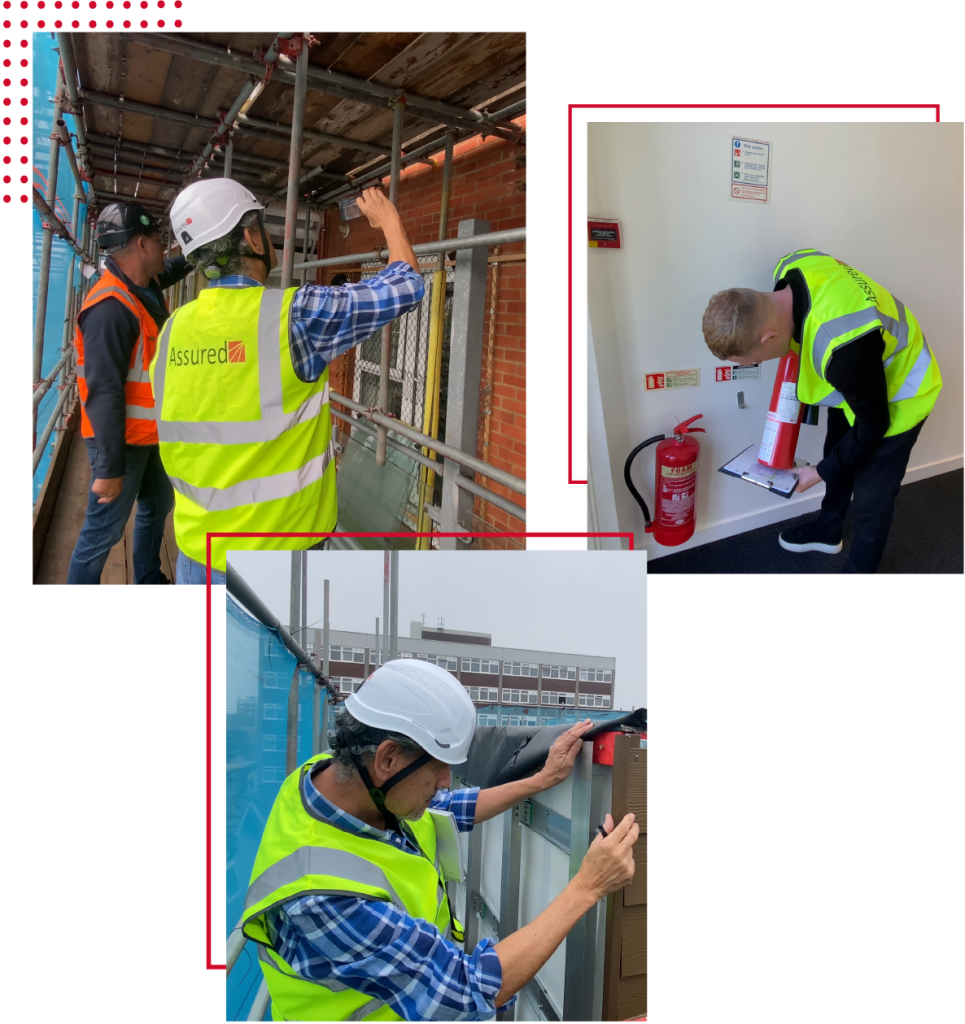
Every building relies on effective passive fire protection, yet many hidden systems degrade over time or are compromised during maintenance and refurbishment. Passive Fire Surveys provide the assurance you need — uncovering unseen defects, prioritising remedial work, and keeping your organisation compliant with fire safety legislation.

// Importance of Fire Engineering

Why Passive Fire Protection Matters

Passive fire protection (PFP) involves using building components to contain fires and prevent them from spreading. This is crucial for:

Life Safety

Protecting occupants by maintaining safe evacuation routes and preventing the spread of fire and smoke.

Property Protection

Minimising damage to the building structure and contents.

Regulatory Compliance

Meeting the stringent requirements of UK fire safety regulations, including the Regulatory Reform (Fire Safety) Order 2005.

Insurance Requirements

Satisfying insurance providers with documented and effective fire safety measures.

// How It works

Our Passive Fire Surveying Process

Consultation

Define survey scope, building type, and access requirements.

01

Inspection

Assess the condition, installation quality, and compliance of passive systems.

02

Documentation

Capture photographic evidence, annotate plans, and risk-rate findings.

03

Reporting

Deliver a clear, digital report with prioritised remedial actions.

04

Follow-Up Support

Provide re-inspection or verification after corrective works.

05
// Our Passive Fire Surveying

Benefits of Our Fire Engineering Approach

Our surveys provide practical assurance that your building’s protection performs as designed.

Improved Safety

Identify and resolve hidden fire-stopping failures.

Compliance Confidence

Demonstrate adherence to UK fire-safety legislation.

Clear Reporting

Evidence-based recommendations with photos and plans.

Cost Efficiency

Targeted remedial advice avoids unnecessary replacement.

ISO 9001 certified

Robust quality management in everything we do

BAFE SP205 accredited

Recognised competence in life safety fire risk assessments

// Why Choose Assured

Why Choose Assured Fire Safety Consultancy?

Unlike manufacturers or contractors, we are independent and impartial. That means our guidance is always focused on your compliance and safety — never on selling additional products.

// Why Choose Assured

Why Choose Assured Fire Safety Consultancy?

We combine technical precision with impartial, professional support—delivering dependable passive fire-safety assurance for every building type.

Certified Expertise

Third-Party Accredited

Integrated Solutions

Trusted Nationwide

// Frequently Asked Questions

Passive Fire Knowledge Hub

Professional insights from our passive fire-protection specialists.

  • What is passive fire protection?

    Passive fire protection is the use of fire-resisting materials and construction techniques—such as walls, doors, and fire-stopping—to contain fire and smoke within designated areas, preserving escape routes and structural stability.

  • When should a passive fire survey be carried out?

    A survey should be conducted during new-build completion, refurbishments, or Fire Risk Assessment reviews. It’s also essential following maintenance works that may have penetrated fire-resisting elements.

  • What standards govern passive fire protection?

    Passive fire measures must comply with Approved Document B, BS 9999, and BS 476 / EN 1364 / EN 1366 test standards, alongside guidance from the Fire Industry Association (FIA) and Building Safety Act 2022.

  • What are the common defects found?

    Typical issues include unsealed service penetrations, damaged or missing fire-stopping, poorly fitted cavity barriers, and incorrect materials used for sealing—each reducing the building’s resistance to fire and smoke spread.

  • Are surveys destructive?

    Most are visual and non-destructive. Limited opening-up inspections may be recommended where concealed voids or risers are suspected to contain breaches.

  • How does the report support compliance?

    Reports provide photographic evidence, annotated plans, and prioritised remedial actions to demonstrate compliance under the Fire Safety Order 2005 and the Fire Safety (England) Regulations 2022.

Need Passive Fire Surveying?

Ensure your building’s passive fire protection performs when it matters most.
Contact Us today to arrange a Passive Fire Survey or discuss your compliance requirements.