












LOCAL AUTHORITIES FIRE SAFETY

// LOCAL AUTHORITIES FIRE SAFETY

Strengthening Public Safety, Compliance and Community Confidence

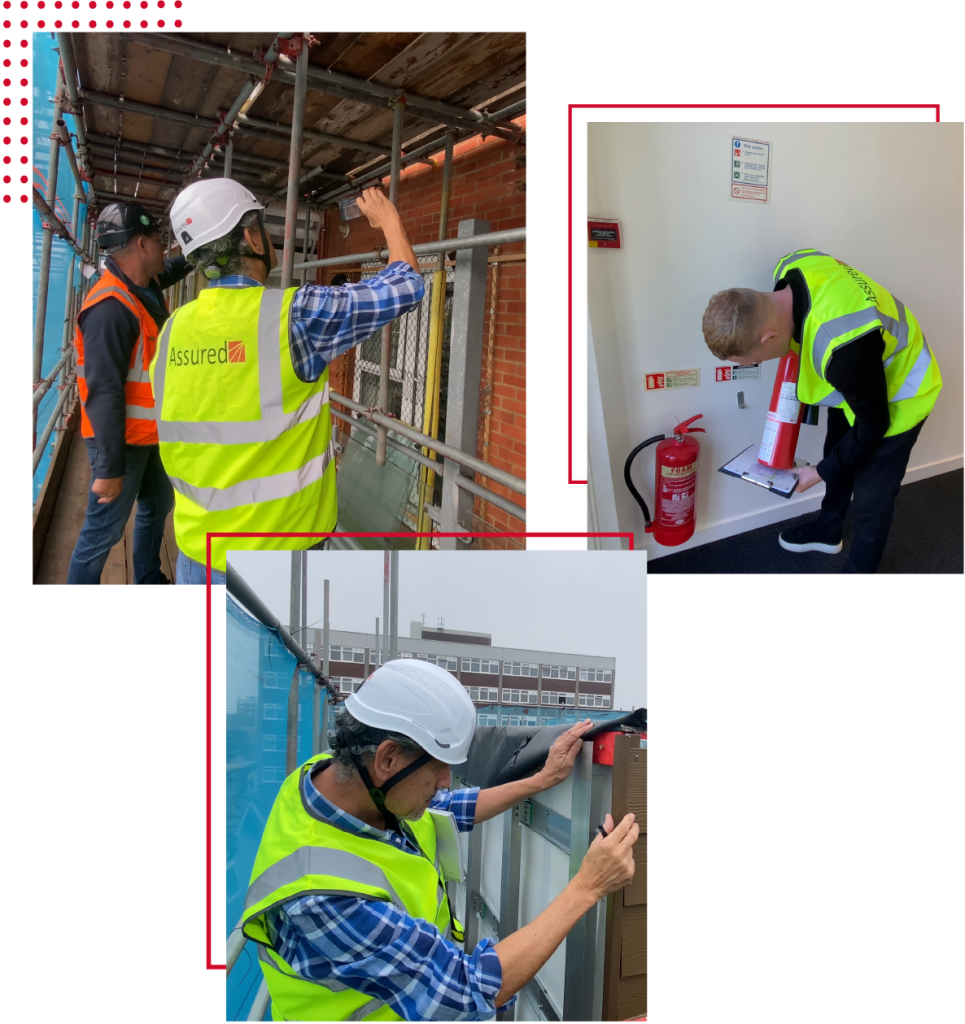
Local authorities oversee some of the UK’s most varied and heavily used public buildings — from civic centres and libraries to gyms, depots, sheltered housing and community halls. These buildings support essential services and play a central role in community life.

Assured works with councils to ensure their estates remain safe, legally compliant and resilient, helping them meet statutory duties and uphold public trust.

Local Authority Fire Safety
Our valuable clients:
// Why Fire Safety Matters

The Importance of Fire Safety in Local Authorities

01

Protecting Communities

Public buildings serve thousands of residents each week — including children, older adults, and vulnerable individuals. Effective fire safety management keeps people safe and ensures buildings remain welcoming and accessible.

02

Meeting Statutory Responsibilities

Local authorities must manage fire risk under multiple legal frameworks, including the Fire Safety (England) Regulations 2022Regulatory Reform (Fire Safety) Order 2005 , and Housing Act 2004 (for residential stock). Demonstrating compliance is essential for transparency, accountability and audit readiness.

03

Preserving Essential Services

Council buildings house critical functions such as customer service hubs, registrars, social care teams, archives and operational services. Protecting these facilities ensures continuity for residents who depend on them.

04

Supporting Public Confidence

Clear, proactive fire safety management strengthens community confidence by ensuring local services are delivered safely and responsibly.

// Challenges in Local Authorities

Key Fire Safety Challenges for Local Authorities

Large, Mixed Property Portfolios

Offices, depots, housing stock, community buildings and heritage sites each require tailored fire safety strategies.

High Footfall & Public Access

Public buildings demand clear evacuation plans and accessible escape routes.

Diverse Risk Profiles

From libraries and schools to industrial units and residential blocks—each has unique fire risks.

Aging or Heritage Buildings

Older or listed buildings require sensitive fire engineering solutions to meet modern standards.

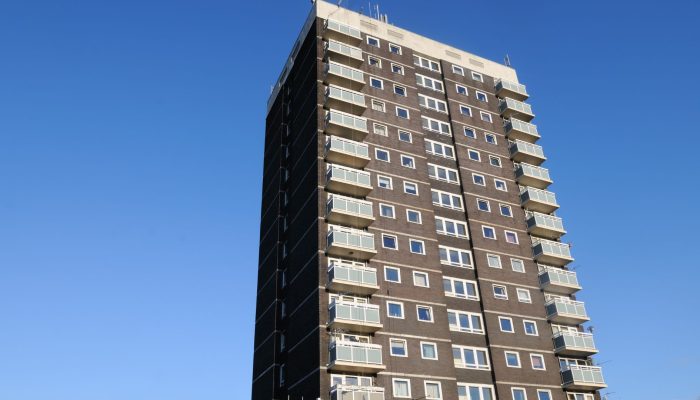
Complex Housing Compliance

Social housing portfolios require consistent FRA quality, clear communication with residents, and regular reviews under the new regulatory landscape.

// How Assured Can Help

How Assured Fire Safety Consultancy Can Help

Assured provides BAFE SP205-certified, ISO 9001-accredited services trusted by councils nationwide. We support local authorities with practical, scalable, and cost-effective compliance solutions.

Fire Risk Assessments

PAS 79 and BS 9792:2025-aligned assessments for:

  • Housing portfolios
  • Civic offices
  • Libraries and leisure centres
  • Community facilities
  • Depots and operational buildings

Clear, prioritised recommendations and transparent scoring for easy portfolio management.

Fire Strategy & Fire Engineering

Development or review of Fire Strategy Plans in accordance with BS 9999 and ADB—including evacuation design, compartmentation audits, travel distances and system integration.

Fire Door & Compartmentation Surveys

FDIS-qualified inspectors carrying out detailed inspections to LPCB 1197/1271 standards. Essential for housing blocks, HRRBs, sheltered schemes, schools and civic properties.

Fire Safety Training

CPD-accredited training for council staff, housing officers and facilities teams—including legal duties, fire door checks, and managing day-to-day fire safety responsibilities.

Portfolio Support & Ongoing Compliance

Scheduled inspections, audit frameworks, planned maintenance support and long-term compliance monitoring for multi-site local authority estates.

// How It works

Our DSEAR Assessment Process

Consultation

Review your operations, materials, and current safety controls.

01

Site Inspection

Identify dangerous substances and evaluate control systems.

02

Hazardous Area Classification

Define zones in line with BS EN 60079 and HSE guidance.

03

Assessment & Recommendations

Quantify risks and propose proportionate actions.

04

Reporting & Support

Deliver a clear, digital DSEAR report with practical improvement guidance.

05
// Why Choose Assured?

Why Choose Assured?

01

Trusted by councils, ALMOs and public service organisations

02

Independent, BAFE SP205-certified and ISO 9001 accredited

03

Qualified Tier 3 assessors and fire engineers

04

Proven track record delivering estate-wide programmes

05

Clear reports, transparent recommendations and practical solutions

06

Supportive approach built on partnership, clarity and accountability

// Our Clients

Our Local Authority Clients Include

// Why Choose Assured

Why Choose Assured Fire Safety Consultancy?

Unlike manufacturers or contractors, we are independent and impartial. That means our guidance is always focused on your compliance and safety — never on selling additional products.

// Why Choose Assured

Why Choose Assured Fire Safety Consultancy?

We combine technical knowledge with practical experience to deliver impartial, professional, and supportive DSEAR assessments. Our reports provide clarity, confidence, and compliance — ensuring your people, property, and operations remain safe.

Certified Expertise

Third-Party Accredited

Integrated Solutions

Trusted Nationwide

// Frequently Asked Questions

DSEAR Knowledge Hub

Professional insights from our process and fire safety specialists.

  • What is a DSEAR Assessment?

    A DSEAR assessment identifies and controls risks from dangerous substances that could cause fire, explosion, or corrosion, ensuring compliance with the Dangerous Substances and Explosive Atmospheres Regulations 2002.

  • Who needs a DSEAR Assessment?

    Any business that stores, handles, or uses flammable or explosive substances — from industrial plants to laboratories and workshops — must complete a suitable and sufficient DSEAR assessment.

  • What is Hazardous Area Classification?

    HAC defines where explosive atmospheres may occur and the frequency of their presence. Zones 0, 1, and 2 (gases/vapours) and 20, 21, and 22 (dusts) determine the safety controls and equipment requirements.

  • How often should DSEAR Assessments be reviewed?

    Every three to five years, or sooner if there are significant changes in materials, processes, or plant layout.

  • What does the DSEAR report include?

    A clear summary of identified hazards, zone maps, photographs, and prioritised recommendations — giving you a practical action plan for compliance.

Speak to a Fire Safety Expert

Create safer communities with Assured.
Our consultants help local authorities manage fire safety across complex property portfolios with confidence and clarity.