FIRE COMPARTMENTATION SURVEYS

Verifying the unseen layers of protection that keep buildings safe

// Fire Compartmentation Surveys

Protecting People, Property, and Compliance

Assured specialise in Fire Compartmentation Surveys that help you meet legal fire-safety obligations and maintain effective passive protection.

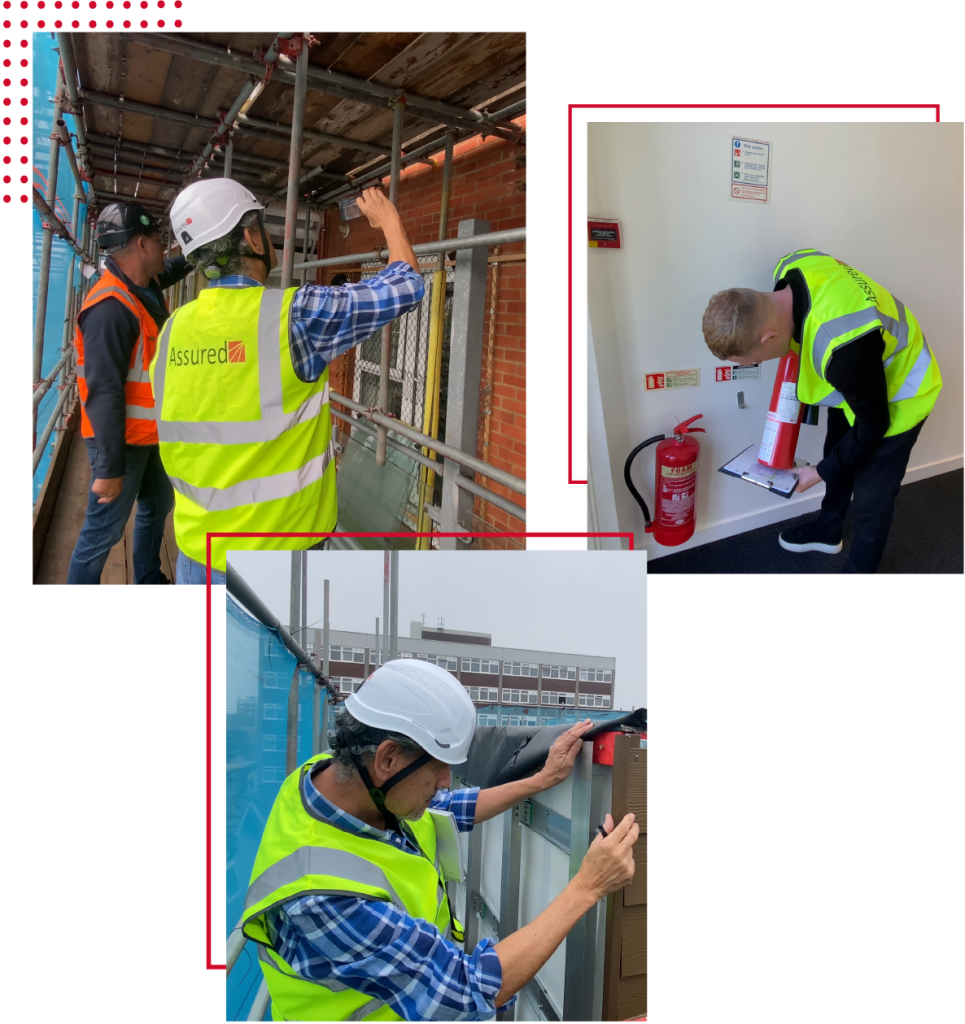
Our detailed inspections identify weaknesses, verify the integrity of fire-resisting structures, and provide clear, actionable reports tailored to your building’s design and use.

// Importance of Fire Compartmentation

Why Fire Compartmentation Matters

Fire compartmentation is a cornerstone of passive fire protection. By dividing a building into fire-resisting zones, it slows the spread of fire and smoke, giving people time to escape and the fire service time to respond.

A well-maintained compartmentation system ensures:

Life Safety

Maintains safe escape routes for occupants.

Property Protection

Limits fire damage to defined areas.

Regulatory Compliance

Meets Approved Document B, BS 9999, and the Fire Safety Order 2005.

Business Continuity

Prevents small fires from becoming catastrophic events.

// How It works

Our Fire Compartmentation Services

We deliver comprehensive inspections and reporting across all building types, including:

Non-Destructive Surveys

Visual inspection of walls, floors, ceilings, risers, and fire doors.

01

Fire-Stopping Verification

Checking penetrations, service routes, and sealing systems.

02

Cavity Barrier & Damper Checks

Confirming correct installation and continuity.

03

Compartment Line Validation

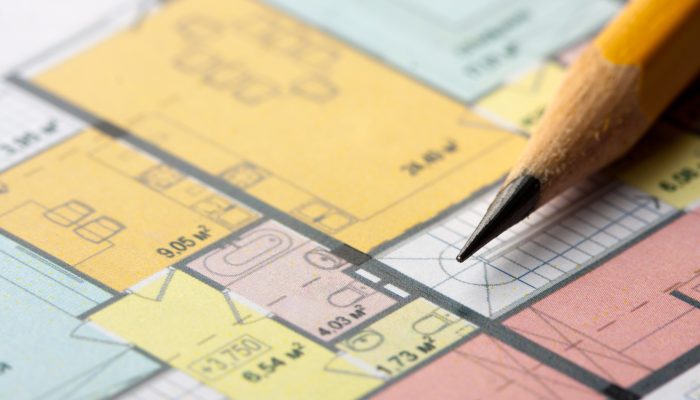
Reviewing drawings and identifying non-compliance.

04

Remedial Guidance

Providing risk-rated recommendations aligned with your Fire Risk Assessment and Fire Strategy Plan.

05
// Who Needs a Fire Compartmentation Survey?

Who Needs a Fire Compartmentation Survey?

Compartmentation surveys are vital for organisations responsible for buildings where life safety and asset protection are critical, such as:

Education

Schools, Colleges, Academies, Universities

Healthcare

Hospitals, Clinics, Care Homes, Supported Living

Commercial

Offices, Retail, Hospitality, Mixed-Use Buildings

Industrial

Factories, Warehouses, Logistics Centres

Residential

Hotels, Flats, Multi-Occupancy Developments

ISO 9001 certified

Robust quality management in everything we do

BAFE SP205 accredited

Recognised competence in life safety fire risk assessments

// Why Choose Assured

Why Choose Assured Fire Safety Consultancy?

Unlike manufacturers or contractors, we are independent and impartial. That means our guidance is always focused on your compliance and safety — never on selling additional products.

// Why Choose Assured

Why Choose Assured Fire Safety Consultancy?

We combine technical precision with impartial, professional support — delivering clear, compliant, and practical fire safety solutions trusted by councils, housing providers, and commercial clients across the UK.

Certified Expertise

Third-Party Accredited

Integrated Solutions

Trusted Nationwide

// Frequently Asked Questions

Fire Compartmentation Knowledge Hub

Expert answers from our fire-safety consultants.

  • What is the purpose of fire compartmentation?

    Fire compartmentation is fundamental to passive fire protection. It aims to contain fire and smoke within defined sections of a building for a specified period — typically 30, 60, 90, or 120 minutes, depending on risk and occupancy. By maintaining structural integrity and separation between areas, compartmentation:

    • Limits the spread of fire and toxic smoke
    • Preserves escape routes
    • Protects firefighting access and intervention areas
    • Reduces fire load on structural elements
    • Minimises loss of assets and continuity of operations

    When properly installed and maintained, compartmentation prevents small fires from escalating into uncontrolled events.

  • When should a fire compartmentation survey be carried out?

    Surveys should be undertaken during new-build projects, major refurbishments, or after service installations that penetrate fire-resisting elements. They are also recommended during Fire Risk Assessment reviews or following enforcement notices to verify compliance and demonstrate corrective action.

  • What standards and guidance apply to fire compartmentation?

    Fire compartmentation requirements are defined in:

    • Approved Document B (ADB) – Building Regulations guidance for fire safety.
    • BS 9999:2017 – Code of practice for fire safety in building design and management.
    • BS 476 / BS EN 1364 / BS EN 1366 – Test methods for fire resistance of building elements and service penetrations.
    • Fire Industry Association (FIA) Technical Guidance – Good practice for passive fire protection.

    Our surveys and reports align with these standards and reference the Building Safety Act 2022 framework for evidencing building safety compliance.

  • What are the most common defects found?

    Typical issues include:

    • Unsealed penetrations through walls and floors
    • Poorly installed or missing fire stopping
    • Damaged or incorrectly specified fire doors
    • Breached or missing cavity barriers and dampers
    • Improper materials used for sealing (e.g., foam instead of tested systems)
    • Unrecorded service modifications by contractors

    Each of these can create a path for fire and smoke to spread — significantly reducing the intended fire resistance of the structure.

  • How intrusive is a fire compartmentation survey?

    Most surveys are non-destructive, using visual inspection methods and accessible areas. However, if hidden voids or inaccessible spaces are suspected to contain breaches, we recommend targeted opening-up inspections. We coordinate with clients to minimise disruption, often scheduling works outside of operational hours or term time (for schools).

  • How does a compartmentation survey support legal compliance?

    The Regulatory Reform (Fire Safety) Order 2005 requires the Responsible Person to ensure fire precautions are properly maintained. Our surveys provide:

    • A comprehensive, evidence-based record of the building’s compartmentation integrity.
    • A clear list of non-compliances with risk ratings (high, medium, low).
    • Actionable recommendations for rectification aligned with current standards.

    This evidence supports compliance under the Fire Safety (England) Regulations 2022 and can be presented during Building Safety Case submissions or external audits.

  • Why choose Assured for compartmentation surveys?

    Our consultants combine hands-on construction knowledge with deep technical understanding of passive protection. Working under BAFE SP205 and ISO 9001 certification, we deliver clear, accurate reports and proportionate solutions that help clients understand risk, prioritise remedial action, and maintain compliance with confidence.

Need Fire Compartmentation Survey?

Ensure your building’s passive fire protection performs exactly as designed.
Contact Us today to arrange a Fire Compartmentation Survey or discuss your compliance needs.